


The Myth of the Normal Range
Why Personal Baselines Matter
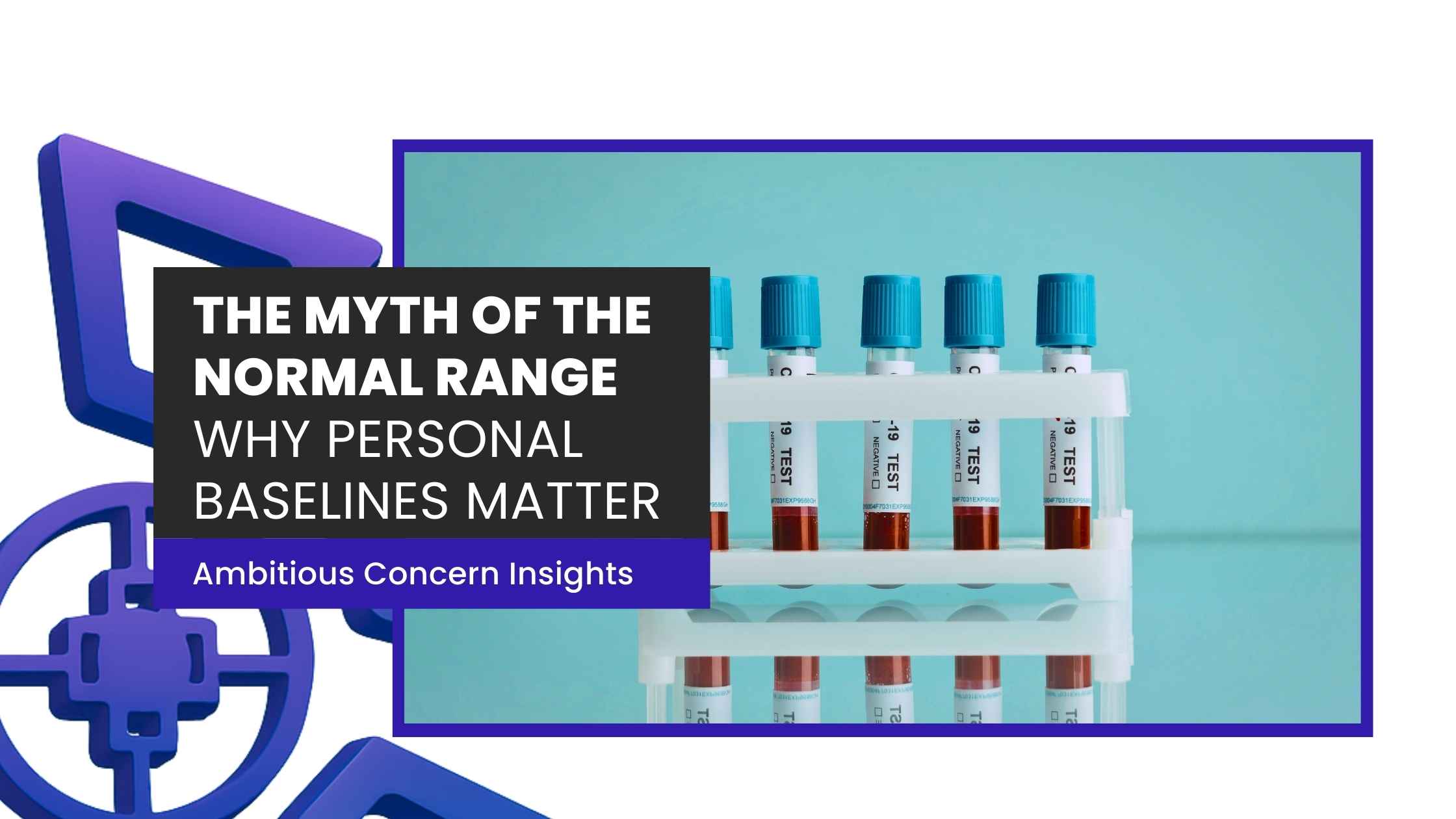
The Myth of the Normal Range
Most patients and many practitioners share a common misunderstanding. They believe that if a laboratory result falls within the population normal range, the patient is healthy. However, three decades of clinical research reveal a startling truth: population reference ranges often fail the individual.
The real story of your health is not found in a single data point, but in the trajectory of your data over time. This is the ultimate power of longitudinal health data.
The Problem with Population Averages
Every lab report comes with a reference interval. This is a broad range based on a massive population of diverse individuals. The problem is that for the majority of common health markers, your personal variation is much smaller than the variation of the general population.
In clinical chemistry, this is known as the Index of Individuality. When this index is low, a result can be perfectly normal for the population but highly abnormal for you.
For example, a fasting glucose level that rises from 85 to 99 remains below the diabetic threshold of 100. To a doctor looking at a single snapshot, you appear healthy. But to someone looking at your history, that upward trend signals a metabolic shift that requires immediate attention. Research shows that personalized reference intervals derived from just three prior measurements are 11 times more sensitive at detecting clinically significant changes than standard population ranges.
Seeing the Trend Not Just the Point
Longitudinal health tracking provides the temporal dimension of your health story. It transforms a single blood pressure reading from an isolated event into a visible pattern. This is the difference between reactive medicine—waiting for a value to break the normal range and proactive medicine.
The World Health Organization and global health frameworks now recognize that electronic records are critical infrastructure because they improve the accuracy and timeliness of information at the point of care. Without a historical view, a physician cannot easily determine if a specific reading is a dangerous trend or just an isolated occurrence.
Why Your Healthy Results Need Tracking
Even if your results are currently optimal, tracking them now is a vital investment. Establishing a healthy baseline while you are well provides the benchmark for your future care.
- Early Detection: Identifying a declining kidney function or rising cholesterol long before it hits a red zone.
- Diagnostic Accuracy: Giving your doctor the 76% of diagnostic power that comes from a comprehensive medical history.
- Reduced Anxiety: Understanding your personal normal so that minor fluctuations do not cause unnecessary alarm.
Final Thought
Your body does not function based on a population average; it functions based on its own unique biological set points. By moving away from the snapshot model of healthcare and embracing longitudinal tracking, you take control of the narrative. In the race to stay healthy, the most valuable tool you have is the ability to look back so you can clearly see the path forward.
Fresh Perspectives, Timeless Wisdom Explore Our Latest Blog Edition
View All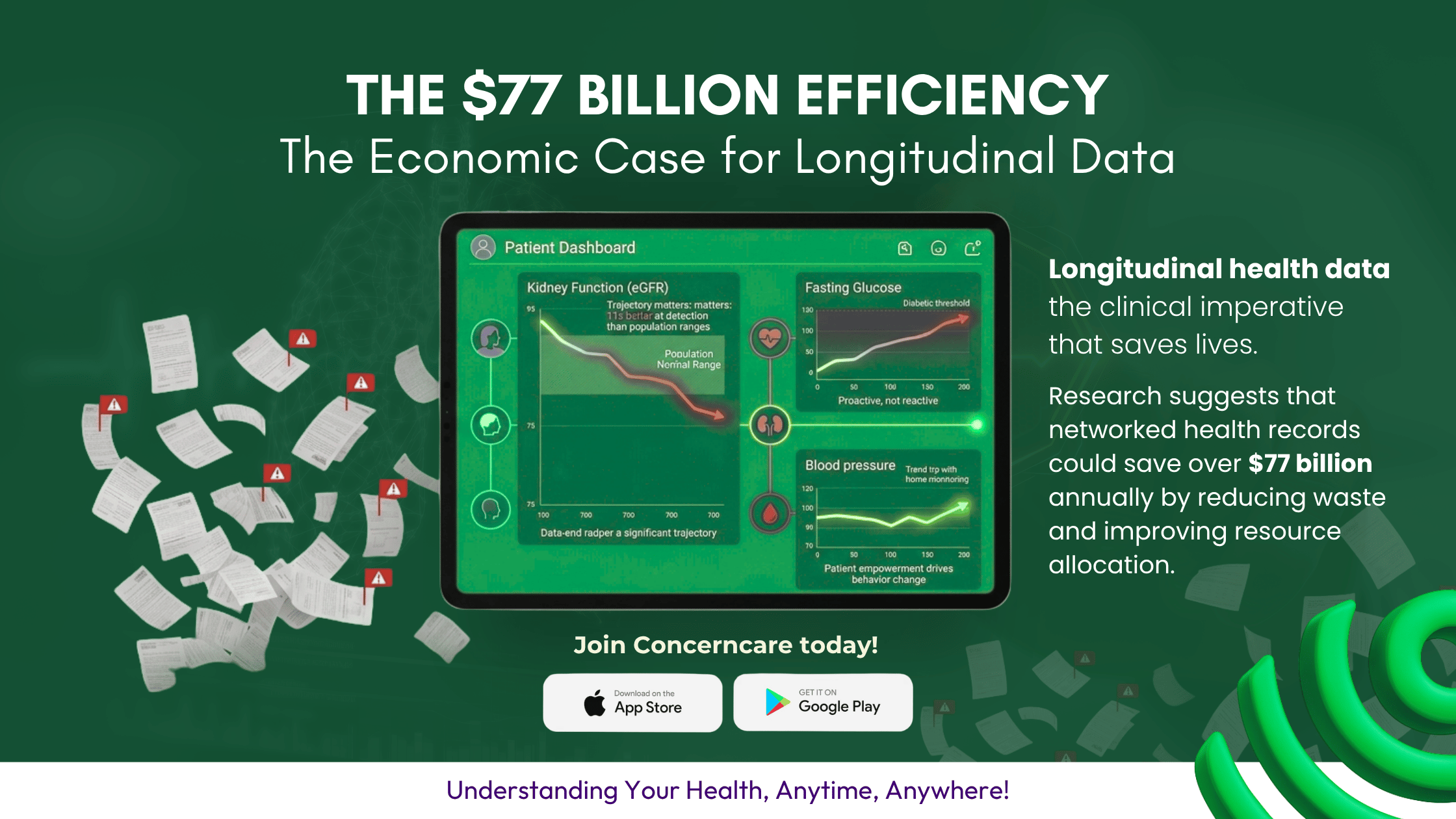


Join our newsletter to stay up to date on features and releases
Stay in the loop with exclusive updates, sneak peeks, and insider tips that will elevate your experience. Don’t miss out